

Posted: May 4, 2026
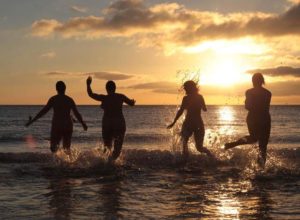
The “nudism effect” refers to the positive changes in mental, physical, and social well-being that many people experience when they practice naturism — going without clothing in safe, private, or designated public settings.
Nudism — more often called naturism today — isn’t about exhibitionism. It’s about choosing to be clothes-free in safe, non-sexual social settings, usually outdoors. Researchers who’ve actually studied it (rather than just joked about it) keep finding the same handful of effects, and they line up with what longtime naturists report.
Psychological shifts
The biggest documented change is how people feel about their own bodies.
Less social physique anxiety. In a 2021 randomized trial at University of London, 51 adults spent time socializing either clothed or naked. The naked group left with significantly higher body appreciation, and the change was explained by feeling less anxious about being judged. Simply seeing ordinary, non-idealized bodies reduced the pressure to compare.
Higher self-esteem and life satisfaction. A larger Goldsmiths study surveyed about 850 Britons and then tracked people before and after two real naturist events in Yorkshire and Stoke. Participants reported immediate boosts in body image, self-esteem, and overall life satisfaction after being naked with others, and people who practiced more frequently reported being happier in general.
Why it seems to work.
The researchers argue it’s not about being looked at, but about looking around. Exposure to normal variation — wrinkles, scars, different shapes, ages — counters the flood of idealized images we get from media, which is a known driver of body dissatisfaction.
Social and emotional texture
Naturist venues usually have explicit norms: no staring, no sexual behavior, treat others with dignity. That structure creates a rare space where bodies aren’t being ranked.
People often describe:
feeling more at ease talking to strangers when clothing markers (brands, status cues) disappear
a sense of camaraderie from shared vulnerability
less performance pressure, which can translate to lower baseline stress during the activity
The same London trial noted participants were repeatedly reminded they could withdraw, and harassment was prohibited — the safety framing mattered as much as the nudity itself.
Physical and lifestyle side-effects
Nudism doesn’t cure disease, but the way it’s practiced brings a few practical health inputs:
Sunlight and vitamin D. Outdoor naturism means more skin exposure in short bursts. Moderate sun is the body’s main source of vitamin D, which supports bone and immune health, and studies link higher sun exposure and vitamin D intake to lower perceived stress in active adults. In Florida especially, timing matters — early morning or late afternoon, sunscreen on sensitive areas, and talking with your clinician if you have skin-cancer risk.
More time in nature.
Green-space visits are independently tied to lower blood pressure and depression scores, with benefits starting around 20 minutes a week. Naturist parks and beaches simply get people outside longer.