

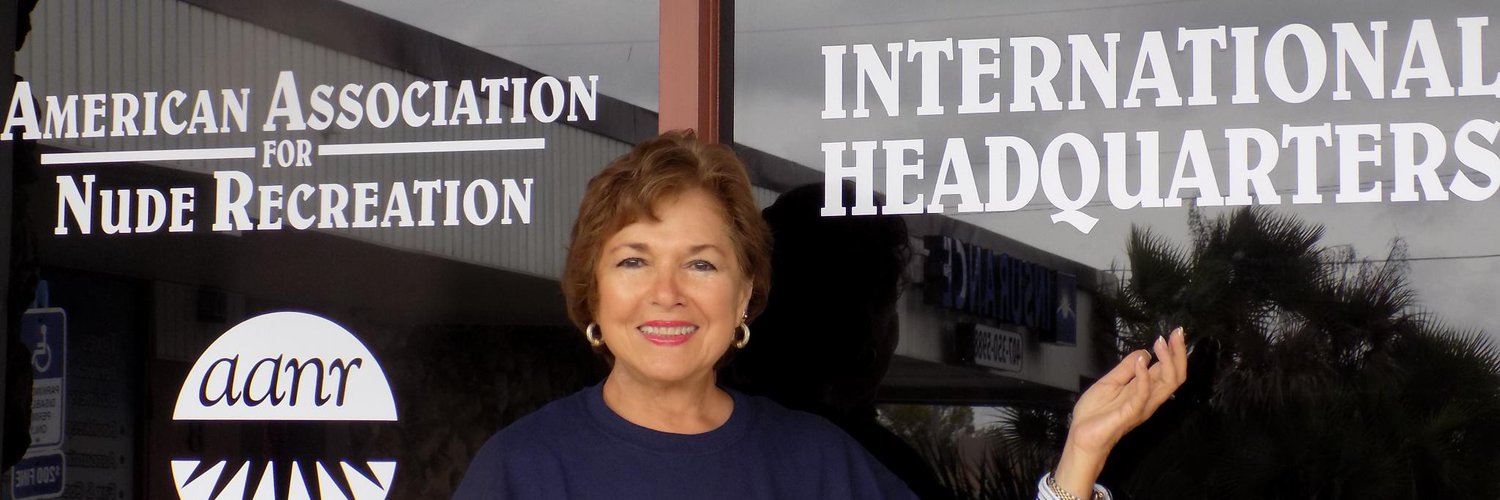
Ronna Krozy, EdD, RN (ret.)
Urinary Incontinence in Nudists and Naturists: Understanding, Managing, and Reducing Stigma
By: Ronna E Krozy, EdD, RN (ret.)
Urinary incontinence (UI), the involuntary leakage of urine, affects millions of people worldwide, including those who embrace naturism or nudism. While UI is often discussed in medical and caregiving settings, its implications in social nudity contexts are rarely explored, despite the unique challenges and considerations faced by naturists. This article aims to collate the available information on UI, highlight practical solutions, and promote body acceptance and destigmatization within nudist communities.
Understanding Urinary Incontinence
Urinary incontinence is not a single condition but a symptom with various underlying causes. It affects both men and women, though prevalence, causes, and types differ depending on sex and age. Stress incontinence—leakage triggered by physical exertion, coughing, or sneezing—is more common in women, particularly after childbirth or menopause. Urge incontinence, also known as overactive bladder, involves a sudden, intense urge to urinate followed by involuntary leakage; it can affect both men and women and is often linked to aging or neurological conditions. Overflow incontinence occurs when the bladder doesn’t empty fully, leading to dribbling, and is more frequently seen in men with prostate issues. Functional incontinence arises from difficulty reaching the toilet in time due to mobility limitations or cognitive challenges.
In naturist settings, these forms of incontinence may carry heightened visibility and potential embarrassment because clothing, which normally conceals absorbent pads or leaks, is absent. The very nature of nudity exposes not only the body’s shape but its functions and occasional vulnerabilities, making incontinence a more complex issue in these environments.
Challenges for Naturists with UI
Nudist and naturist spaces prioritize comfort, body acceptance, and non-judgment, yet for those with UI, participating fully can raise particular concerns. Visible leakage may be more noticeable without clothing, leading to self-consciousness or anxiety about joining communal activities. The use of protective garments—typically designed for clothed settings—poses another challenge, as few products are adapted for nude environments. Even in communities that emphasize acceptance, individuals may fear social stigma or lack of understanding if leakage occurs publicly. Access to facilities can pose an issue as immediate toilet facilities may not be nearby, depending on the size and design of the venue. These factors can lead some individuals to withdraw from naturist activities or feel a sense of exclusion, even in otherwise welcoming communities.
Approaches to Management in Naturist Contexts
For naturists managing UI, a combination of medical, practical, and social strategies can help ensure continued participation and enjoyment. Medical management begins with seeking evaluation from a healthcare provider to determine the cause and best treatment, whether that involves pelvic floor exercises, medications, or surgical interventions. Pelvic floor physical therapy, in particular, may help strengthen bladder control. Some individuals benefit from timed voiding, or scheduled bathroom visits, to reduce the risk of unexpected leakage.
Adapted protective options can also play a role. While traditional incontinence wear may not align with naturist values or aesthetics, some individuals choose to use minimal, skin-toned, reusable pads or discreet liners temporarily during activities. Others may opt to wear absorbent sarongs, towels, or wraps in situations where leakage might occur, balancing the desire for nudity with practical needs. Environmental modifications can further support inclusivity, such as advocating for well-distributed restrooms or portable facilities at naturist venues to reduce urgency issues. Some resorts or groups may designate specific areas where protective covers or towels are more widely accepted without violating nudity norms.
Open communication and support are equally important. Discussing UI with trusted friends or group organizers can alleviate anxieties and open the door to accommodations that allow full participation. Encouraging dialogue within naturist communities about aging, bodily function, and inclusivity can help normalize conditions like UI, making them part of the broader conversation about living authentically and comfortably in one’s body.
Destigmatizing Incontinence in Naturist Communities
Naturism is rooted in body acceptance, yet certain bodily functions, such as incontinence, remain taboo even within these open environments. To foster true inclusivity, communities can take proactive steps to destigmatize UI. Promoting educational workshops on health issues relevant to aging or medical conditions in naturist life can be an effective starting point. Integrating discussions of continence care into wellness events at nudist resorts or clubs offers another avenue for awareness and support. Policies that accommodate rather than exclude individuals with health challenges can further reinforce a community ethos of compassion and acceptance.
Leaders in naturist spaces play an important role in normalizing visible health accommodations without undermining communal nudity principles. Greater awareness and understanding reduce assumptions and foster empathy, creating a culture where individuals feel seen and supported regardless of their health needs.
Living Fully: UI Doesn’t Mean Opting Out
For naturists and nudists, urinary incontinence need not be a barrier to participation, connection, or enjoyment. Through proactive management, creative adaptation, and supportive communities, individuals can continue to embrace the freedom and authenticity that naturism provides. Ultimately, addressing UI openly within naturist settings reinforces the core values of acceptance —not just of diverse body shapes, but of the body’s natural processes across the lifespan.
Ronna E Krozy is a former Associate Professor of Community Health Nursing and holds a doctoral degree in health education. She is also a former AANR trustee and PR Chair and long-time writer and public speaker advocating understanding and acceptance of the nudist culture.